
Modes
BloxStrike modes explained — bomb mode, unranked, ranked and community leagues with round formats, match length and meta advice.
Introduction
BloxStrike is built around one defining mode — round-based 5v5 bomb play — surrounded by the matchmaking layers that shape how you experience it. Unranked is the training ground where you learn maps, practice buys and warm up without pressure. Ranked is the competitive ladder where the same bomb-mode fundamentals decide your rank. Community leagues and Discord circuits take competitive play further, giving organized teams a structured season beyond the in-game queue. This section explains each mode’s format, how rounds work, what the match length looks like, and which mode you should pick depending on your goal — whether that is improving mechanics, climbing ranks or finding a team that pushes the meta.
Mode Format Reference
| Mode | Format | Rounds | Entry | Best For |
|---|---|---|---|---|
| Bomb Mode | 5v5 plant & defuse | Round-based | All queues | The core experience |
| Unranked | Casual 5v5 | Round-based | Instant queue | Learning & warmup |
| Ranked | Competitive 5v5 | Round-based + overtime | Ranked queue | Climbing the ladder |
| Community Leagues | Organized seasons | Match series | Discord signup | Structured team play |
Mode Strategy Cards
Bomb Mode
The heart of BloxStrike
Unranked
Practice without the pressure
Ranked
The ladder that matters
Community Leagues
Beyond the queue
Core Mechanics
BloxStrike’s modes share one mechanical core: round-based bomb play on a 5v5 map, where attackers plant, defenders defuse, and each round begins with a fresh economy. The mode layer changes the stakes around that core. Unranked keeps the same rounds but relaxes the pressure, letting players experiment with new weapons and habits without punishing losses. Ranked adds ladder consequences and overtime, which changes behavior: teams play their most reliable executes, buy together and refuse risk unless the scoreboard demands it. Community leagues add a season structure — schedules, brackets and scrim culture — that pushes the meta forward faster than matchmaking ever could, because organized teams iterate on defaults, utility lineups and anti-strats between events. Whether you queue casually or join a league, the round-to-round skill set is identical: aim, economy, map control and communication. The modes differ in what is at stake, not in what you need to win.
Advantages
The layered mode structure means there is always a place to play at your level. New players can learn in unranked where the cost of mistakes is low; improving players can test habits in long ranked sessions; and team-oriented players can graduate to community leagues where structured practice and scrim culture sharpen the meta. The shared mechanics across modes also mean progress transfers — the economy discipline you build in unranked, the utility lineups you practice in ranked and the communication habits you polish in leagues all feed the same skill set. For viewers and content creators, the competitive layers supply watchable, meaningful matches that keep the community invested between updates.
Challenges
The real downside of BloxStrike’s layered modes is that every additional queue splits the player base. Unranked matchmaking can feel lopsided when experienced players practice, ranked suffers from smurfs and leavers who tilt otherwise close matches, and community leagues ask for a time commitment that casual players simply cannot give. Ranked pressure also feeds tilt: a losing streak in one session can undo the confidence built over a week, and overtime rules extend matches that already feel decided. Finally, because the meta is tuned for the ranked experience, new players who mostly queue unranked rarely face the coordinated executes and utility lineups that actually shape the competitive meta, which leaves a skill gap when they finally step into the ladder.
Frequently Asked Questions
How long does a ranked match take?+
Should I start in ranked or unranked?+
How do I join a community league?+
Quick Tips
Queue unranked when you are learning a new map or a new weapon class, but move to ranked the moment your fundamentals feel automatic — ranked reps build confidence and raise your game faster than casual play ever will, because the competition forces you to do everything faster and cleaner.
Avoid queueing ranked on a cold streak: one forced session after two bad losses usually costs more rank points than a full reset the next day, and tilt is the fastest way to turn a bad evening into a bad week. Step away, walk, breathe, then come back with a clear head and a fresh plan instead of chasing revenge queues.
Watch one high-level league match per week — serious teams show you default executes, utility lineups, rotation reads and anti-strats that you can copy directly into your own games, and the visual pattern recognition will stick far longer than reading about the same ideas. Take one concept from every match and drill it.
Featured
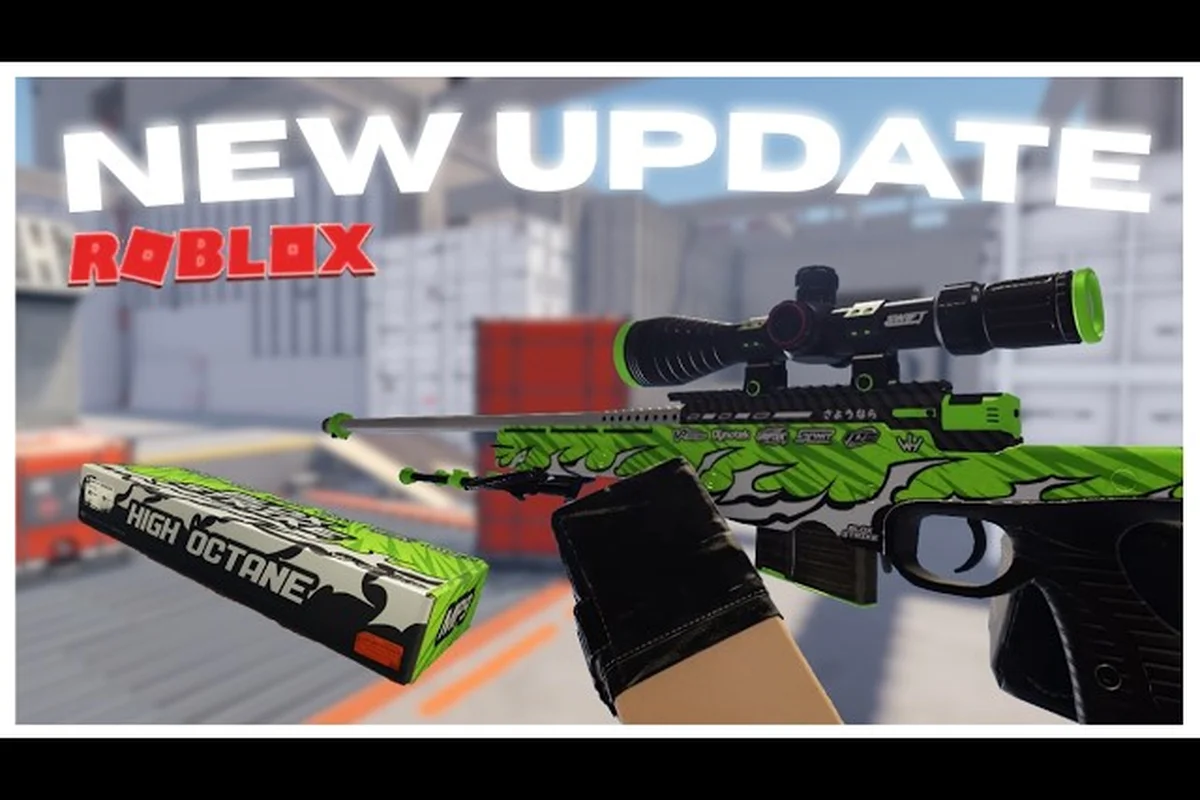
BloxStrike Game Modes: Ranked, Casual & Bomb Rules Explained
Master every BloxStrike game modes breakdown — learn how ranked ELO shifts, how plant-and-defuse rules work, and which mode fits your warmup or competitive grind.
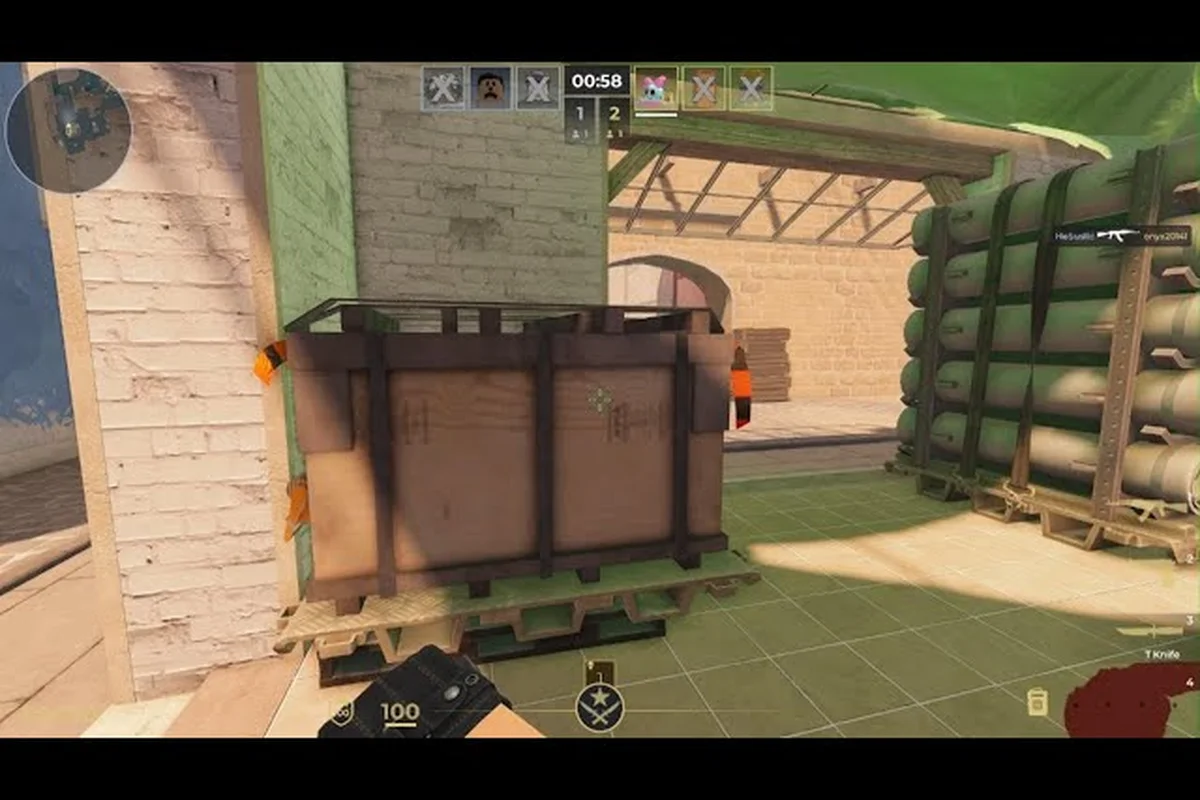
BloxStrike Bomb Site Mode: Plant, Defuse & Competitive Rules
Master BloxStrike bomb site mode with the plant-and-defuse rules that drive competitive and unranked Elo — learn callouts, timer limits, and ELO gains per win.
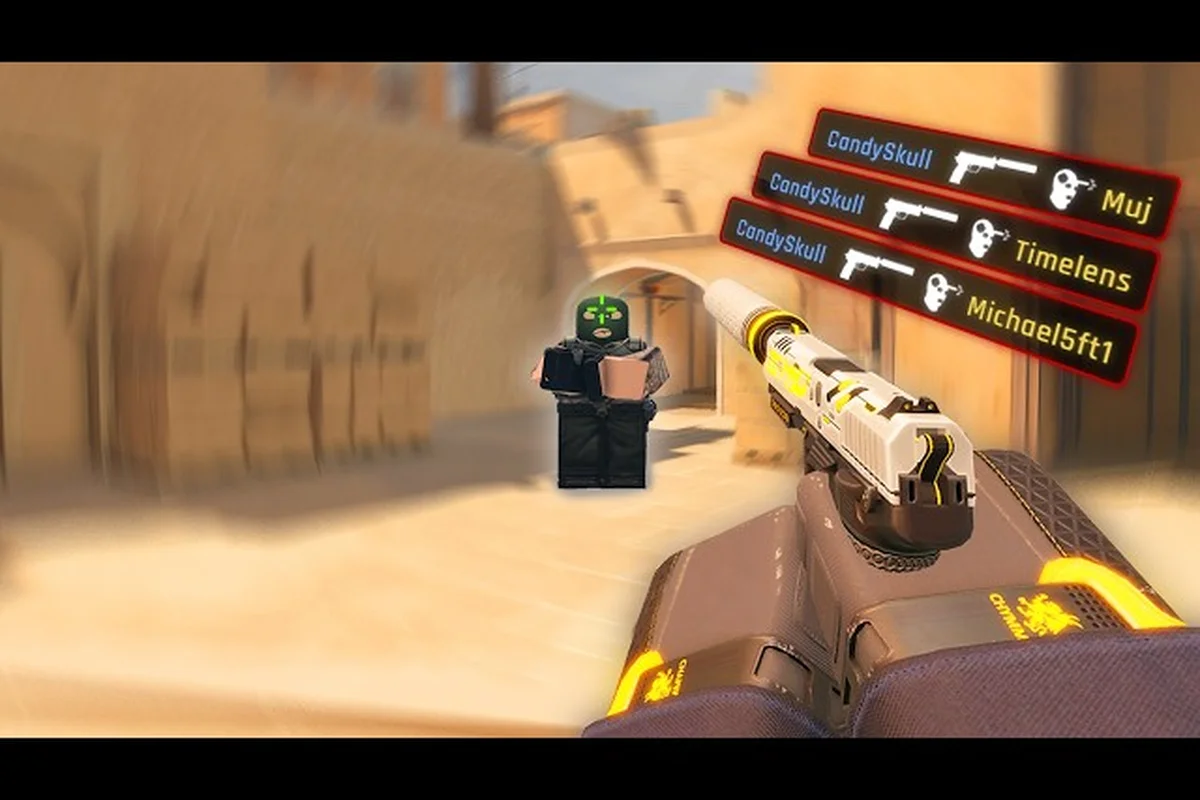
BloxStrike Ranked Rewards: Tiers, Ranks & End-of-Season Drops
Climb every BloxStrike ranked rewards tier and learn how the rank system works, what skins you unlock at each rank up, and how to reach the top season badge.
All Articles

BloxStrike Crossplay: Mobile vs PC, Party Up & Tournament Rules
Set up BloxStrike crossplay between mobile and PC, squad up with friends, and join overtime tournaments — learn the matchmaking rules that keep lobbies fair.
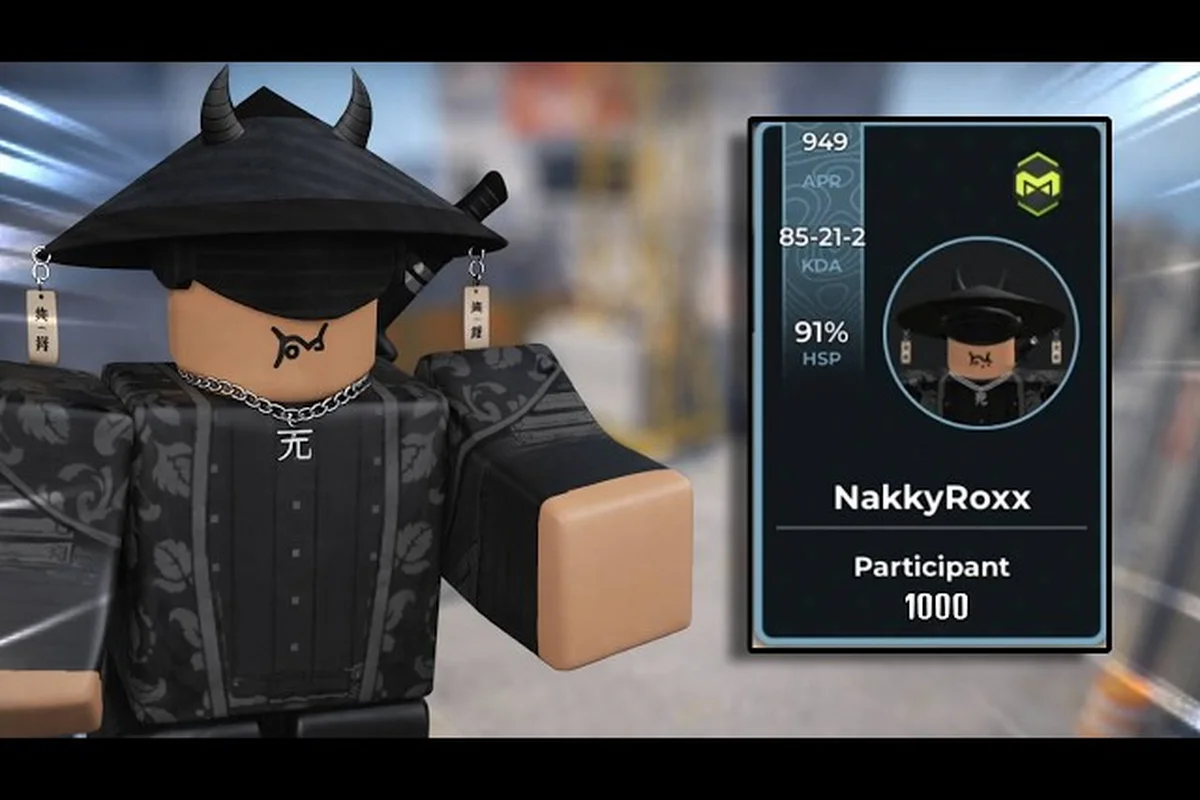
BloxStrike Deathmatch Mode: Aim Training, Rules & Win Counts
Jump into BloxStrike deathmatch mode for fast aim training — learn round counts to win, weapon spawn rules, and why it beats the practice range for warmup.
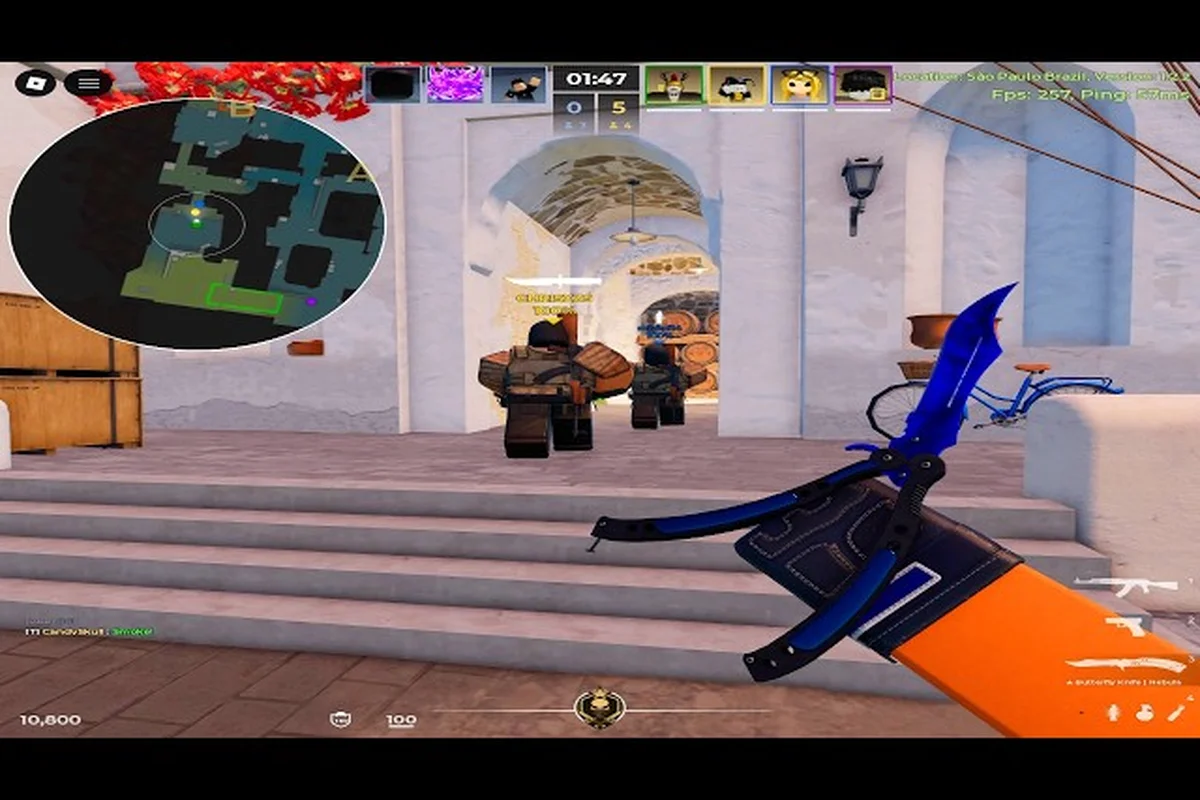
BloxStrike Match Duration: Round Timer & 5v5 Length
Find the exact BloxStrike match duration for 5v5 ranked, unranked, and private lobbies, plus custom match settings for scrims and league play.