
Maps
BloxStrike map guides with lanes, choke points, plant sites and callouts for Oasis, Reactor, Seaside and the Dust-inspired classic.
Introduction
Every BloxStrike map is a 5v5 puzzle of lanes, choke points and plant sites, and map knowledge decides far more rounds than individual aim. This section covers the current battlegrounds — the Dust-inspired classic that teaches the fundamentals, the long open lanes of Seaside that reward rifle and sniper play, the tight corridors of Reactor that demand smart utility, and Oasis, the newest map built around mid control and fast rotations. For each map we break down the flow of the fight: where attackers push, where defenders anchor, which angles are worth holding and which callouts your teammates expect. Because map knowledge compounds — callouts, smoke spots and rotation times all build on the same layout — learning one map deeply beats half-learning all of them.
Map Pool Quick Reference
| Map | Style | Key Areas | Best For |
|---|---|---|---|
| Oasis | Newest — mid focus | Mid control, fast rotations | Rifle duels |
| Reactor | Tight corridors | Vertical pressure, choke points | Utility play |
| Seaside | Open lanes | Long angles, wide sites | Rifle & sniper |
| Dust-Inspired Classic | Iconic layout | Mid, A site, B site | Learning maps |
Map Strategy Cards
Oasis
The newest battleground
Reactor
Vertical pressure inside tight, utility-heavy fights
Seaside
Long sightlines built for rifles and snipers
Dust-Inspired Classic
The layout that taught the fundamentals to everyone
Core Mechanics
Map control in BloxStrike follows a predictable structure: each map has two plant sites, a mid lane connecting them, and a handful of chokepoints that funnel attackers into danger. Attackers win by using utility — smokes to block sightlines, flashes to clear corners, grenades to soften anchors — to take a site and plant the bomb. Defenders win by holding angles, trading kills and timing a retake before the bomb ticks down. Rotation speed is the invisible stat: who moves between sites faster often decides close rounds, and mid control is the lever that speeds up or slows down those rotations. Callouts standardize the chaos — naming positions on each map lets one player ping a threat and the whole team respond within a second. Mastering when to hold, when to push and when to rotate turns map knowledge into wins that no amount of raw aim can replace.
Advantages
Map knowledge is the highest-leverage skill in BloxStrike. It makes your utility meaningful — the same smoke placed at the right chokepoint wins a site execute that a random throw never would. It sharpens your game sense: knowing the common plant spots, the default defender spots and the likely rotation lanes lets you pre-aim the angle where the enemy will appear. It turns communication into a weapon, because standardized callouts mean one ping can replace a paragraph of comms. And it compounds across updates: the fundamentals you learn on the Dust-inspired classic — lane control, site executes, retake timing — transfer directly to Oasis, Reactor and every future map. New players who invest in map knowledge consistently outperform mechanically stronger players who queue without a plan.
Challenges
Map knowledge has a real opportunity cost: the hours spent learning callouts and smokes are hours not spent practicing aim, and players who know a map perfectly but cannot win a duel still lose their rounds. The meta also drifts — new maps shift which classes are viable, and an update can change entry timings and common utility spots, so guides age. Finally, over-committing to a single map’s habits can backfire: a player who knows the Dust-inspired classic perfectly may play Oasis much worse for the same reason a specialist in any narrow skill hits unfamiliar situations slower. Build map knowledge broadly enough to adapt, but deepen it on the maps you actually queue.
Frequently Asked Questions
What is the best map for new players?+
How do I learn callouts quickly?+
What is mid control and why does it matter?+
Quick Tips
Walk each new map in a private server once before you queue ranked — seeing the lanes, plant sites and typical fighting spots in person beats reading about them ten times, because the angles you memorize from a guide click instantly once you have actually stood on them. Ten minutes of free roam saves a week of dying to angles you could have known.
Learn one smoke per site on your best map and drill it until you can throw it blind; the impact of a single well-placed smoke is larger than five extra kills per match, because it blocks split-second reactions that your whole team benefits from on every single execute. One lineup literally wins rounds.
Call out enemy positions in simple, standard words — site, mid, lane, connector — instead of inventing names in the moment. Clean comms let your team punish a single information tap within a second, while creative callouts waste the window where the enemy is most vulnerable to a fast, coordinated rotate from your side.
Featured
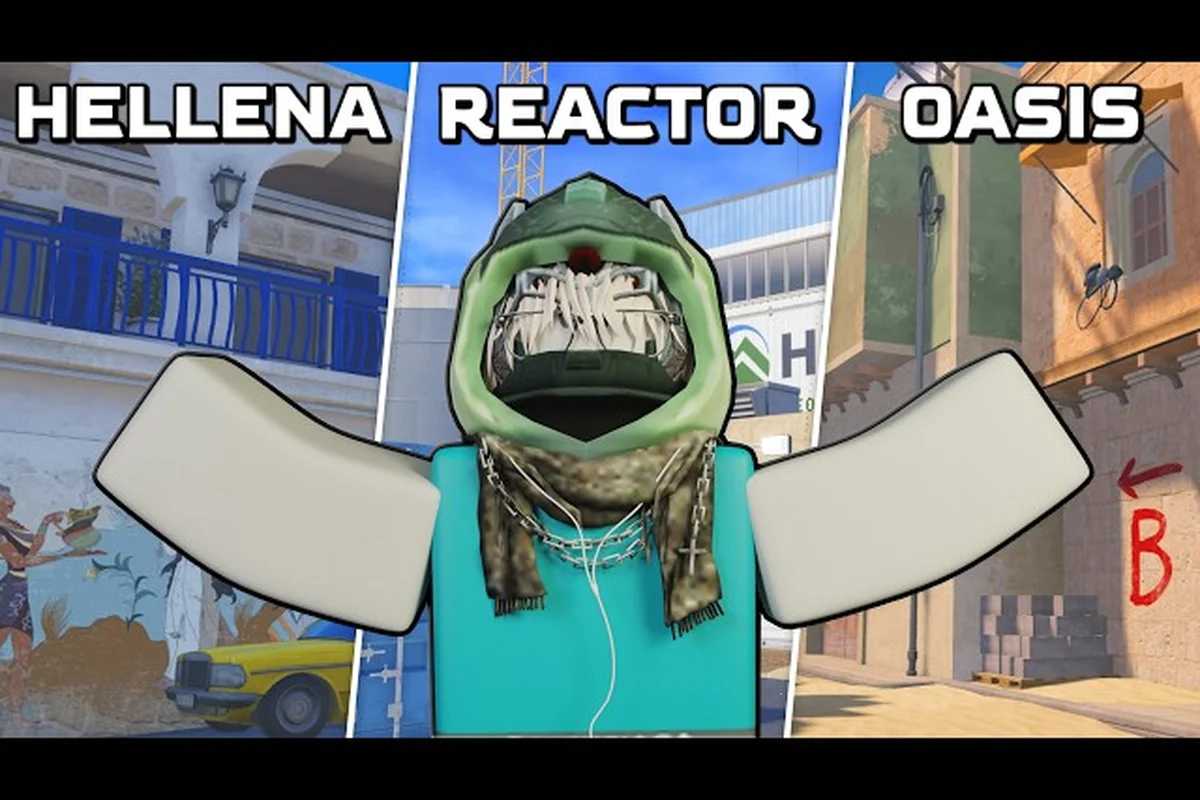
BloxStrike Map Guide: Oasis, Reactor & Every Map in 5v5
Tour every BloxStrike map guide for 5v5 — learn Oasis, Reactor, and each map's layout so you can pre-aim common angles and rotate with your team.
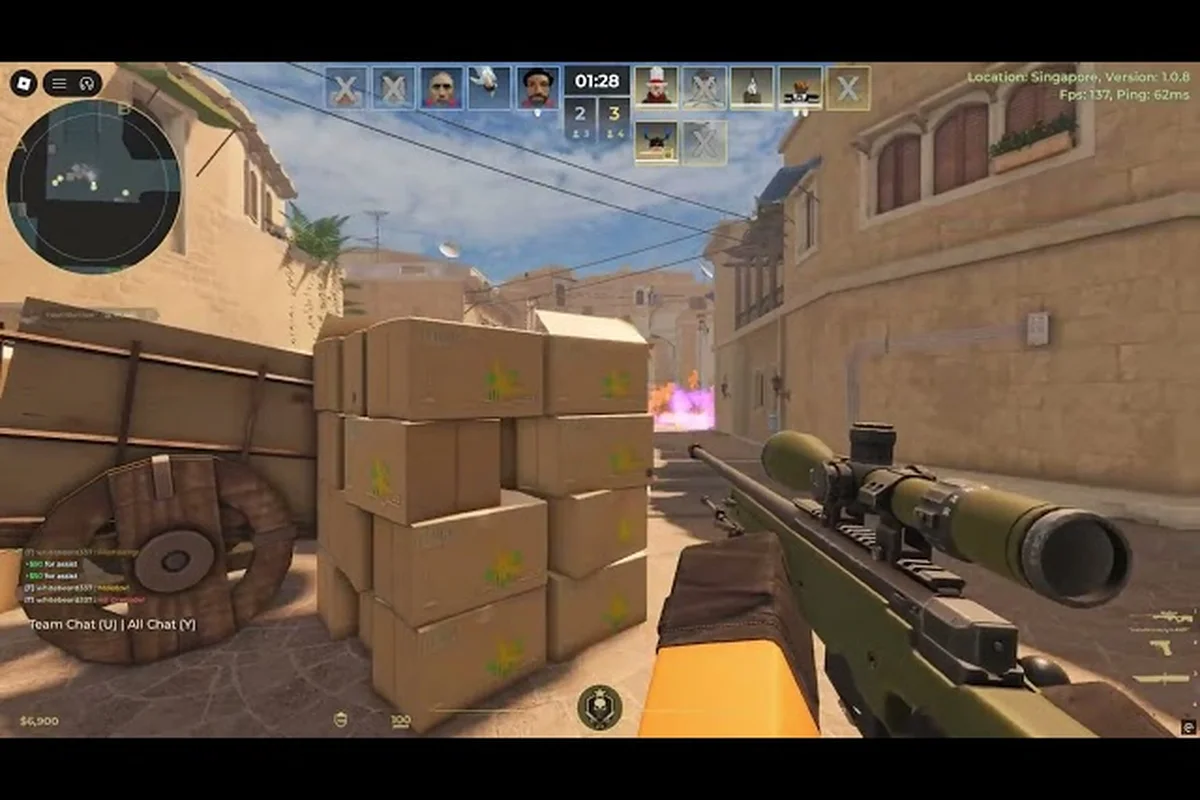
BloxStrike Map Update Oasis: New Map Guide & Choke Points
Explore the BloxStrike map update Oasis — learn the new map's layout, key choke points, and rotation timer so you can take sites before the enemy holds them.
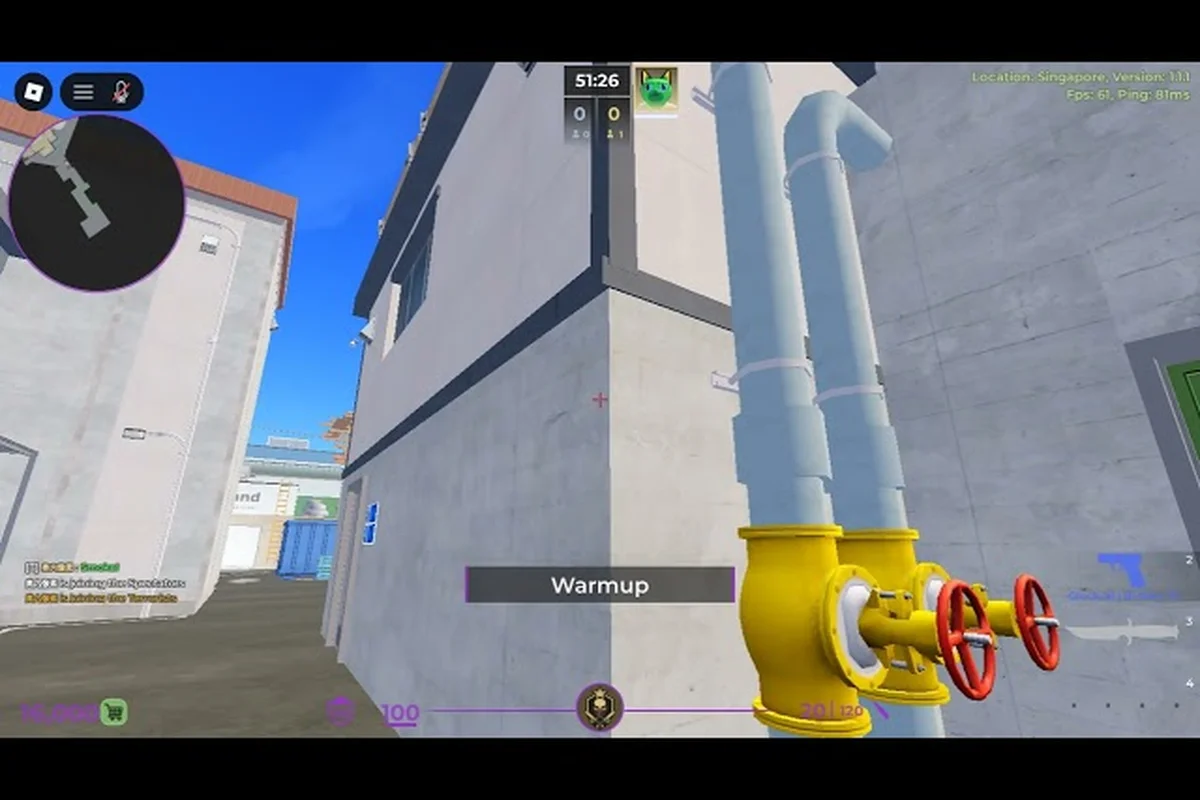
BloxStrike Reactor Guide: Seaside, Dust & Map Rotation
Master the Reactor map in BloxStrike — learn Seaside and Dust callouts, mid control tactics, and how the current map rotation puts you on Reactor each session.
All Articles
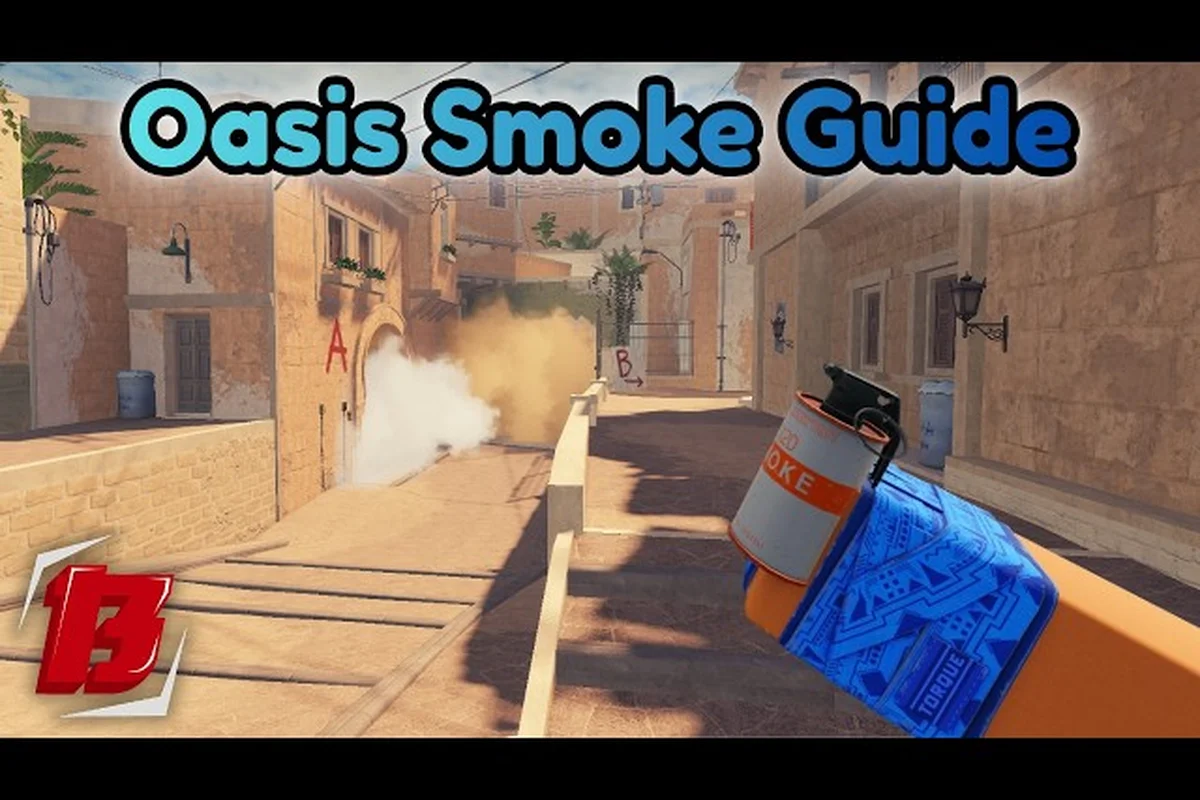
BloxStrike Smoke Spots: Nades, Flashes & Map Control
Find the best BloxStrike smoke spots to block sightlines, pop-flash entries, and take mid control — learn which nade throws win rounds on every map.
BloxStrike Map Layout: Maps Ranked for Snipers & Rifles
Compare every BloxStrike map layout ranked for snipers and rifles — see map size, sightlines, and which battleground fits your favorite weapon class.
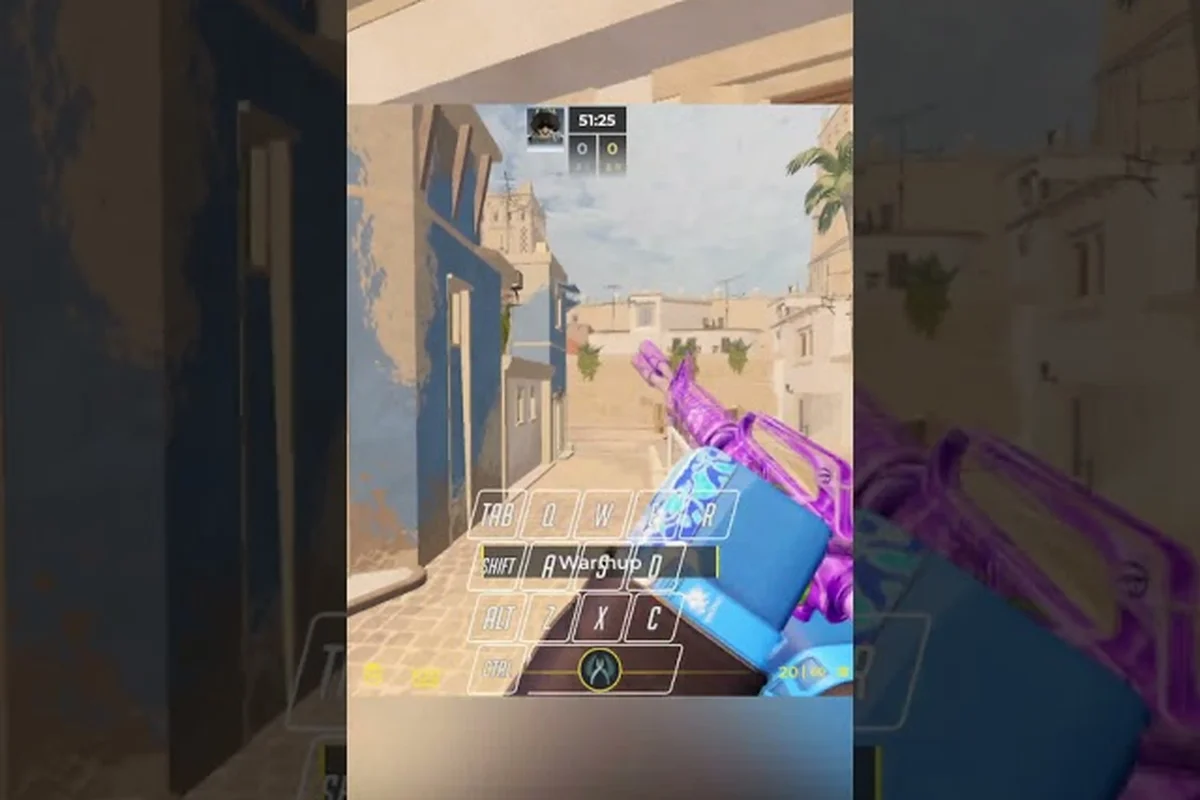
BloxStrike Map Callout Guide: Plant Spots & Bomb Sites
Lock down every BloxStrike map callout guide for bomb sites — learn plant spots, defuse positions, and the call names your team needs to win rounds.